
How to Use Ring on PC: Live View, Alerts, and Smarter Home Monitoring
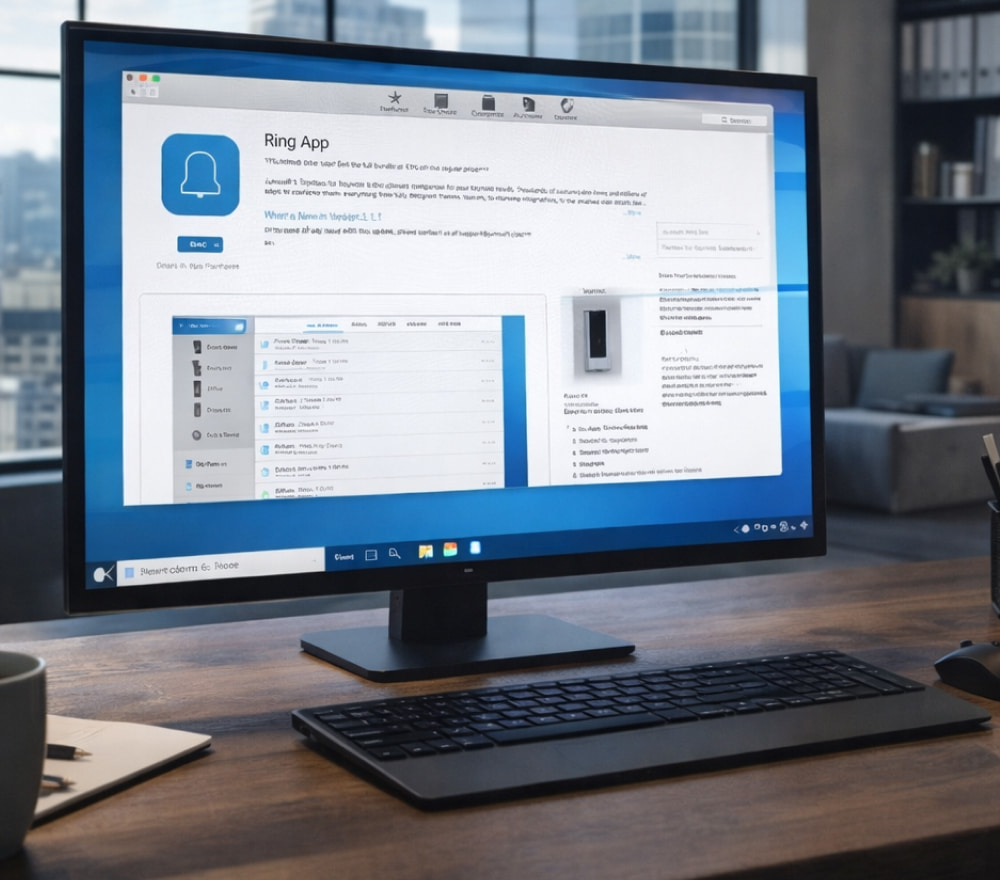
Ring Application for Computer
DownloadRing devices are designed to keep you connected to your front door, driveway, and indoor spaces with motion alerts and live video. While most people start on a phone, using Ring from a desktop or laptop can feel more comfortable for long viewing sessions, multi-tasking, or managing settings with a bigger screen.
This guide walks through practical, reliable ways to access your cameras on a Windows computer, how to sign in safely, and what to do if video or notifications don’t behave the way you expect.
What You Can Do From a Computer
- Check Live View on compatible devices and review recent events when supported.
- Adjust key settings like motion zones, notifications, and device names.
- Share access with household members and manage account security.
- Keep Ring open on a secondary monitor for a “security desk” feel.
Method 1: Use the Web Dashboard in a Browser
For many households, a modern browser is the simplest approach because it avoids extra software and updates. Sign in only through trusted pages, and consider bookmarking the official login so you don’t have to search each time.
A good rule of thumb is to treat camera access like online banking: use a strong password, enable two-factor authentication, and avoid signing in on shared computers.
Method 2: Install the Desktop Ring App on Windows
If you prefer an app-style experience, the official Windows option can be a convenient fit, especially if you keep the window pinned while you work. In many setups, the Ring on PC app behaves like a dedicated console for quick checks and account management. If you’re searching for a Ring app for PC download, start with official listings first, since they’re less likely to bundle unwanted extras and they update more predictably. When people talk about a Ring app download for PC, they often mean the Windows Store route, which tends to handle updates and permissions in a cleaner way.
Quick Install Checklist
- Update Windows and your graphics drivers to reduce playback glitches.
- Install Ring only from our fan website, then sign in with your Ring account.
- Turn on two-factor authentication and verify your notification preferences.
- Test Live View and confirm audio permissions if you use two-way talk.
Method 3: Use an Android Emulator (Advanced)
Some users choose an emulator to run the mobile experience on a desktop, but it can be more fragile than the official options. Emulator performance depends on virtualization settings, CPU/GPU resources, and whether your PC is configured for hardware acceleration.
For those who specifically want the Ring application on PC with a phone-like layout, an emulator can mimic that interface, though results vary by machine and configuration.
Choosing the Best Option for Your Setup
| Option | Best for | Pros | Cons |
|---|---|---|---|
| Web dashboard | Fast access on any PC | No install, easy to sign out | Features may differ from mobile |
| Windows app | Daily monitoring | App-like experience, convenient window | Availability can depend on region/device support |
| Android emulator | Power users who need mobile UI | Mobile-style controls | More setup, higher crash risk |
Best Practices for Smooth Live View
- Use a stable connection, preferably Ethernet or strong 5 GHz Wi-Fi.
- Close heavy background apps if you see stuttering or delayed audio.
- Disable aggressive VPN filtering if streams fail to load.
- Keep your Ring devices updated, since firmware impacts streaming reliability.
Notifications on Desktop: What to Expect
Desktop notifications can work differently than phone alerts because browsers and Windows handle permissions separately. You’ll usually need to allow notifications in the browser or app settings, and confirm that Focus Assist (or similar modes) aren’t muting alerts. In many households, the Ring on PC app is most useful as a “live monitor,” while the phone remains the primary place for instant push notifications.
Security and Privacy Tips You Should Not Skip
- Use a unique password that you do not reuse on other sites.
- Enable two-factor authentication and keep recovery codes in a safe place.
- Sign out on shared PCs, and avoid saving passwords on public machines.
- Review shared users regularly, especially after guests visit or roommates move out.
Troubleshooting Common Issues
Live View Won’t Load
- Try another browser, then clear cache and disable extensions that block scripts.
- Restart the Ring device and your router, then test again.
- Check whether your firewall or antivirus is blocking streaming components.
Video Is Choppy or Delayed
- Lower other network usage, like large downloads or cloud backups.
- Move the camera closer to the router or use a mesh node nearby.
- Update GPU drivers if playback stutters only on the PC.
You Can’t Find a Safe Installer
When someone asks about a Ring for PC app download, the safest answer is to avoid random “download portals” and stick to official stores or Ring’s own pages whenever possible.
Many users who search for Ring download for PC are trying to avoid juggling a phone, so it helps to choose the simplest official path first and only add advanced methods if you truly need them.
Mini FAQ
Can I run Ring on a Mac the same way?
Yes, the browser method is usually the easiest cross-platform approach, since it behaves similarly across macOS and Windows.
Do I need special hardware to use Ring on a desktop?
Not usually, but a newer CPU and stable internet connection will noticeably improve streaming quality and responsiveness.
Is an emulator required?
No, most people do fine with the browser or Windows app, and an emulator is best treated as a niche workaround.
If you want to use Ring app on PC as your daily “home dashboard,” start with the official browser or Windows app option, then refine your notification and privacy settings for a setup that stays fast, secure, and easy to maintain.